 Baydaar
Gilgit Shilajit: How to Tell Pure Shilajit from Fake Before You Buy
What Shilajit is, where the best comes from, the real difference between resin, powder and capsules, and how to spot fake or adulterated Shilajit in Pakistan.
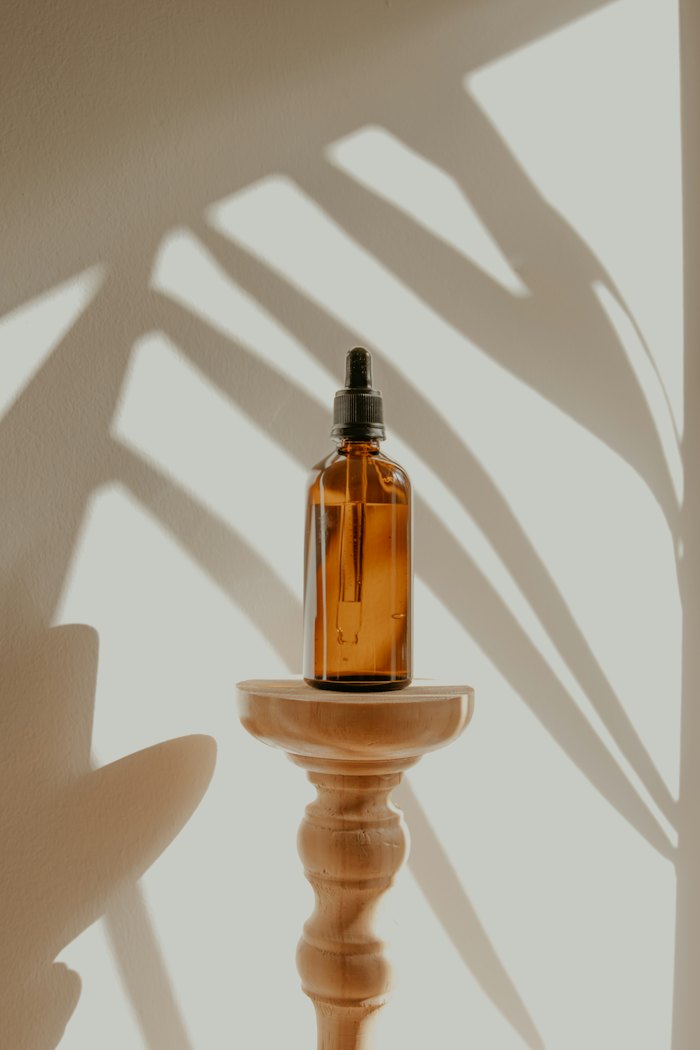
Walk through any bazaar in Pakistan and you will find Shilajit, often at prices that are too good to be true. Much of what is sold is diluted, heated until it loses its character, or simply fake. This guide explains what real Shilajit is, where it comes from, and how to buy it with confidence.
What is Shilajit?
Shilajit is a dark, sticky, tar-like resin that seeps out of rock faces in high mountain ranges, especially the Karakoram and the Himalaya, in the warm summer months. It forms over a very long time from plant matter compressed in the rock, and it is rich in minerals and organic compounds such as fulvic acid.
It has been used in traditional South Asian and Central Asian medicine for centuries. Some of the most prized Shilajit in the world comes from Gilgit-Baltistan, where it is collected by hand from high cliffs, then filtered and purified.
Resin, powder or capsules?
| Form | What it is | Things to know |
|---|---|---|
| Resin | Purified Shilajit in its natural sticky form | The least processed and the easiest to judge by look and feel. Usually the best choice. |
| Powder | Resin that has been dried and ground | Convenient, but easier to mix with fillers. Buy only from sources you trust. |
| Capsules or tablets | Powder in capsules, often with other ingredients | Check the label: many contain very little Shilajit. |
How to spot fake Shilajit
No home test is perfect, but these simple checks weed out most bad products:
- Texture changes with temperature. Pure resin is hard and brittle when cold, and turns soft and sticky as it warms in your hand. If it stays the same, be suspicious.
- It dissolves in warm water. A small piece should dissolve fully in warm water, turning it golden-brown with no gritty residue sinking to the bottom.
- The smell is strong and earthy, a little smoky. It should not smell chemical.
- The price makes sense. Collecting and purifying Shilajit by hand is slow work. Very cheap Shilajit usually means corners have been cut.
The most important check is one you cannot do at home: lab testing. Raw Shilajit can contain heavy metals and impurities if it is not purified properly. A trustworthy seller should be able to tell you how their Shilajit is purified and tested.
How to use and store it
- A commonly used amount is a pea-sized piece (roughly 300 to 500 mg), dissolved in warm water, milk or tea, once a day.
- Keep it in a cool, dry place in a sealed glass jar. It keeps for a long time.
- Always use a clean, dry spoon, not your fingers.
A note on health: Shilajit is a traditional supplement, not a medicine. If you are pregnant or breastfeeding, have a medical condition, or take regular medication, talk to your doctor before using it, and do not give it to children.
Where to buy pure Gilgit Shilajit
Our Pure Gilgit Shilajit is sourced directly from the northern valleys our trips run through, and lab tested for purity. It comes in 20g, 50g and 100g jars, starting at PKR 3,500. You can order it in the Baydaar Shop with Cash on Delivery anywhere in Pakistan, with free delivery on orders over PKR 5,000 and 7-day returns.
While you are there, have a look at our wild Sidr honey and cold-pressed Hunza almond oil, from the same northern valleys.
Frequently asked questions
Is Shilajit from Gilgit better than other Shilajit?
Shilajit from the high Karakoram and Himalaya is among the most sought after. What matters most is not just the region but how it was collected, filtered and purified, and whether it has been tested.
Why is my Shilajit hard like a stone?
That is normal for pure resin in a cold room. Warm the jar in your hand or in warm water for a minute and it softens.
Does real Shilajit dissolve completely?
Good-quality resin dissolves almost completely in warm water. A layer of grit or sand at the bottom of the glass is a warning sign.