 Baydaar
Hunza Valley Travel Guide: Best Time, 7-Day Itinerary and Cost from Islamabad
Planning a Hunza trip? The best months to go, a day-by-day itinerary from Islamabad, what it costs, and the places worth your time, from Attabad Lake to Khunjerab.
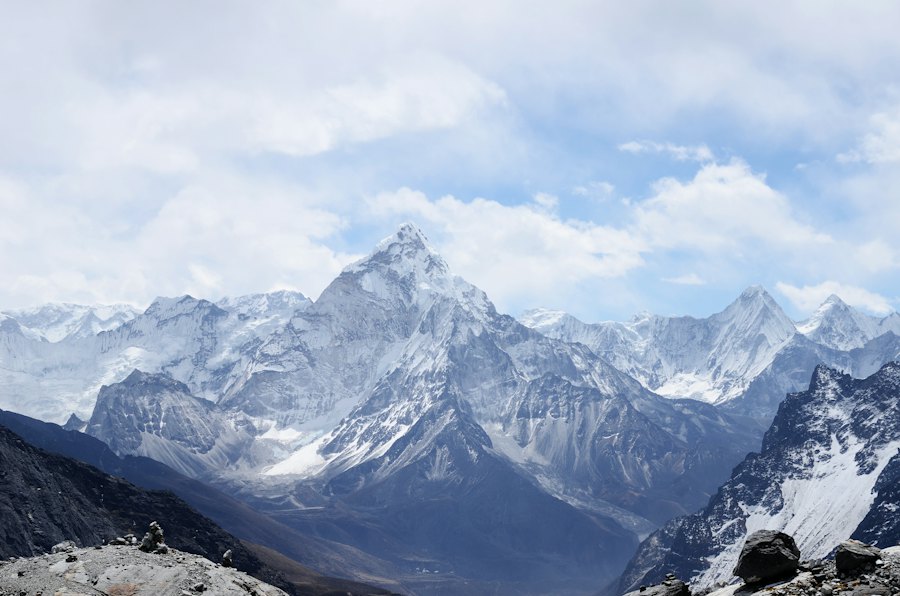
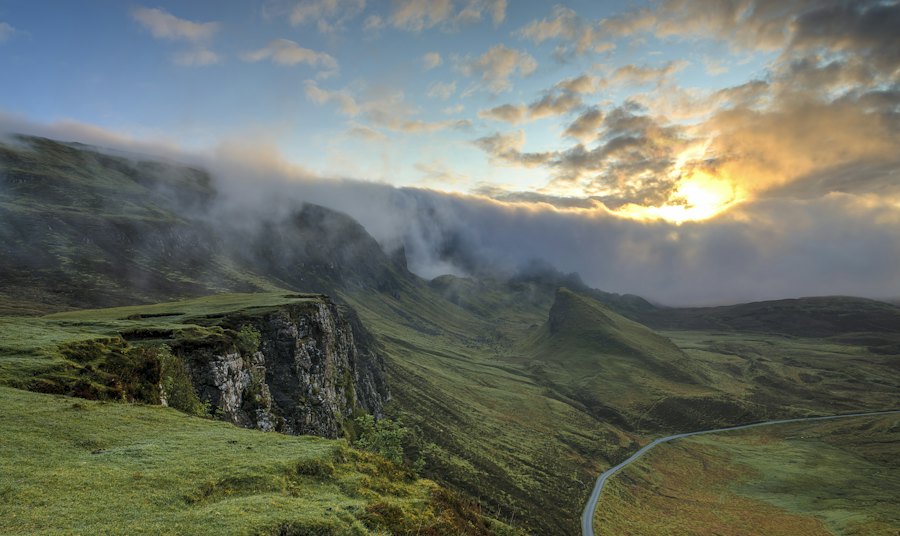
Hunza is the trip most people in Pakistan dream about first, and for good reason. In one valley you get Rakaposhi and Ultar peaks looking down on apricot orchards, 700-year-old forts, a turquoise lake that did not exist before 2010, and a highway that climbs to the Chinese border at 4,693 metres.
We have been taking groups up the Karakoram Highway since 2017. This guide is what we tell our own travellers before they book: when to go, how the days actually unfold, and what it costs.
Where Hunza is, and how you get there
Hunza sits in Gilgit-Baltistan, in the far north of Pakistan, along the Karakoram Highway (KKH). The main town most visitors stay in is Karimabad, with Aliabad just below it and Gulmit, Passu and Sost further up the valley towards the border.
From Islamabad there are two road routes:
- Via the Karakoram Highway through Besham and Chilas. Open all year, and the classic way up.
- Via Naran and the Babusar Pass, which is shorter but only open in summer, roughly June to October, depending on snow.
Either way it is a long drive, roughly 15 to 18 hours of road time. That is why our trips either leave Islamabad late at night and drive through, or split the journey with a night in Chilas. The first day is the hard one. After that, everything is close.
You can also fly from Islamabad to Gilgit and drive two hours to Karimabad, but flights are weather-dependent and are often cancelled, so never plan a trip around one without a road backup.
The best time to visit Hunza
| Season | Months | What it's like |
|---|---|---|
| Spring | April to May | Cherry and apricot blossom across the valley. Cool days, cold nights. |
| Summer | June to August | Warm days, every road open, busiest season. Babusar Pass usually open. |
| Autumn | September to early November | Clear skies and golden poplars in late October. Our favourite. |
| Winter | December to March | Snow, frozen Attabad Lake, very cold. Quiet and beautiful, but many hotels close. |
For a first visit, late April or mid-October gives you the best mix of colour, weather and smaller crowds. Summer is the easiest for families because every route is open.
A 7-day Hunza itinerary from Islamabad
This is the shape of our Hunza Valley Adventure, and it works just as well if you are travelling on your own.
Day 1: Islamabad to Chilas
An early start up the Karakoram Highway, following the Indus. Stops at Besham for food and at the Nanga Parbat viewpoint, where on a clear day you see the ninth-highest mountain in the world from the road.
Day 2: Chilas to Karimabad
Past the point where the Himalaya, Karakoram and Hindu Kush ranges meet, and into Hunza by afternoon. Check in, rest, and watch the sunset turn Rakaposhi pink.
Day 3: Attabad Lake, Passu and Hussaini
Attabad Lake formed in January 2010, when a landslide blocked the Hunza River and drowned part of the old road. It is now the most photographed water in the country. Take a boat out, then continue to the jagged Passu Cones and the famously wobbly Hussaini suspension bridge. If you have time, stop at Borith Lake, a quiet lake near Passu that we love for overnight stays and kayaking.
Day 4: Baltit and Altit Forts
The two forts above Karimabad are the heart of old Hunza. Altit Fort is the older of the two, believed to be around 900 years old, and Baltit Fort was the seat of the Mirs of Hunza for centuries. Afterwards, walk the Karimabad bazaar for dried apricots, gemstones and local caps, and try the home cooking: chapshuro and apricot soup are the ones to order.
Day 5: Khunjerab Pass
A day trip to the Pakistan-China border at Khunjerab Pass, 4,693 metres, one of the highest paved border crossings in the world. It is cold at the top even in August, and the altitude is real, so walk slowly and drink water. You may see yaks and, if you are lucky, marmots on the way.
Day 6: Eagle's Nest and a slow day
Sunrise from Eagle's Nest in Duikar, above Karimabad, is the best view in the valley: Rakaposhi, Ultar, Lady Finger and Golden Peak all at once. Keep the rest of the day free. Hunza is a place to sit with a cup of tea, not to rush.
Day 7: The drive home
Back down the KKH to Islamabad, with a lunch stop on the way.
How much does a Hunza trip cost?
Costs vary with season and comfort, but these are the pieces to plan for:
- Transport is the biggest cost. A private car or Hiace from Islamabad for a week costs far more per person than a seat on a group trip.
- Hotels in Karimabad range from simple guesthouses to lake-view resorts. Summer prices are highest.
- Food is good value. Budget for lunch and snacks separately if your package covers breakfast and dinner only.
- Extras: boating at Attabad, fort entry tickets, jeeps for side trips, and tips.
Our Hunza Valley Adventure is PKR 75,000 per person for 7 days. That includes return transport from Islamabad, 3-star hotels and guesthouses, breakfast and dinner every day, an experienced local guide and all entry tickets. Lunches, personal spending, insurance and tips are not included. You secure your seat with a 50% advance, and the app shows you exactly what that is before you book.
Tips before you go
- Carry cash. There are ATMs in Aliabad and Karimabad, but they are not reliable, and many small shops only take cash.
- Mobile signal: SCOM has the widest coverage in Gilgit-Baltistan. Other networks work in the main towns but drop out on the road.
- Keep your CNIC with you. There are police checkpoints on the KKH. Foreign visitors should carry their passport.
- Pack layers. A warm jacket even in summer, because nights are cold and Khunjerab is freezing.
- Respect local customs. Hunza is conservative and welcoming. Ask before photographing people, especially women.
There is more on this in our packing list for northern Pakistan.
Frequently asked questions
How many days do you need for Hunza?
Seven days from Islamabad is ideal: two days of driving up and one back, with four full days in the valley. Five days is possible, but you will spend most of it in a vehicle.
Is Hunza safe for families and solo travellers?
Yes. Hunza is one of the safest and most welcoming places in Pakistan, and travelling in an organised group makes the long drive and the logistics much easier, especially for first-timers and solo women travellers.
Can you visit Hunza in winter?
You can, and frozen Attabad Lake is spectacular, but it is very cold, days are short and many hotels close. Winter is best for people who have been before and want something different.
Is Khunjerab Pass open all year?
No. The pass usually closes over winter because of snow, and the dates change each year. Plan a Khunjerab visit between roughly May and November.